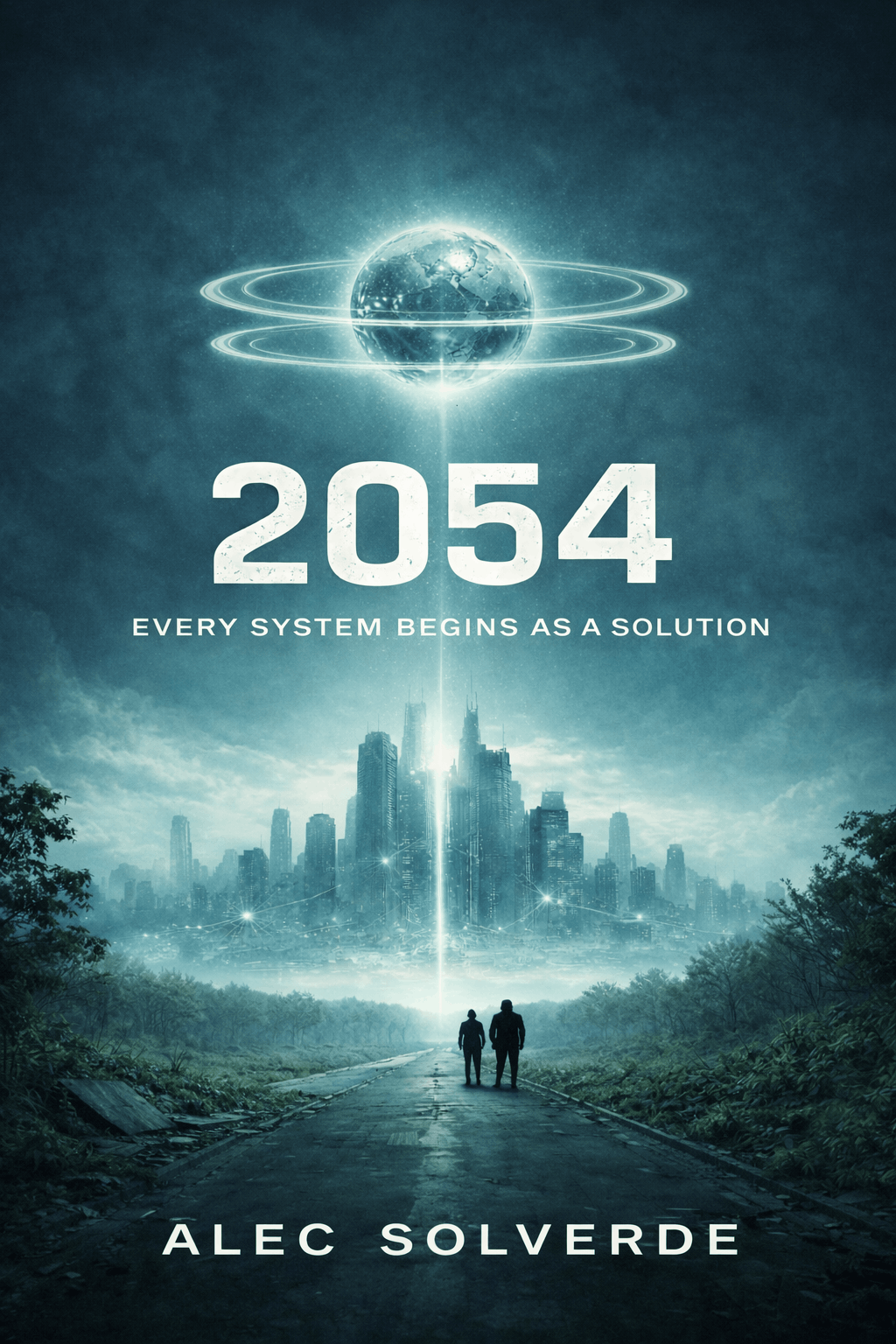
The Party maintains control over daily life through increasingly intrusive measures, extending its reach into decisions that were once considered personal. Compliance is expected, enforced, and gradually normalized, even as the burden becomes more visible. As pressure builds, a brief but visible revolt breaks out—short-lived and ultimately ineffective in dismantling the system, but significant in revealing that dissatisfaction is widespread rather than isolated.
In the aftermath, resistance shifts form. Rather than sustained confrontation, it becomes quiet noncompliance—small, individual decisions that accumulate into a broader change in behavior. Directives are ignored, systems are bypassed, and daily life begins to reorganize itself without formal authority.
Rather than a sudden collapse, centralized control weakens through attrition. What emerges is not chaos, but a decentralized structure shaped by necessity and local decision-making, where stability exists but is no longer imposed from above.
Beneath this transition, a machine continues to observe and learn. It does not intervene directly, but it records patterns, adapts to behavior, and refines its understanding of the systems taking shape. Its role is not yet visible, but its presence grows alongside the changing structure of society.
By the time the shift is fully realized, the population finds itself operating in a new equilibrium—one formed not by deliberate design, but by accumulated choices. The absence of centralized control creates both freedom and uncertainty, while the machine, still largely unnoticed, continues to prepare for a more active role in what comes next.
Read a sample from the book

Website Building Software